We are exploring how AI driven wearables can sense and adapt to the user’s body signals, translating intent into movement. Interested in making a difference in assistive technologies?
Robotic solutions applied to assistive technologies
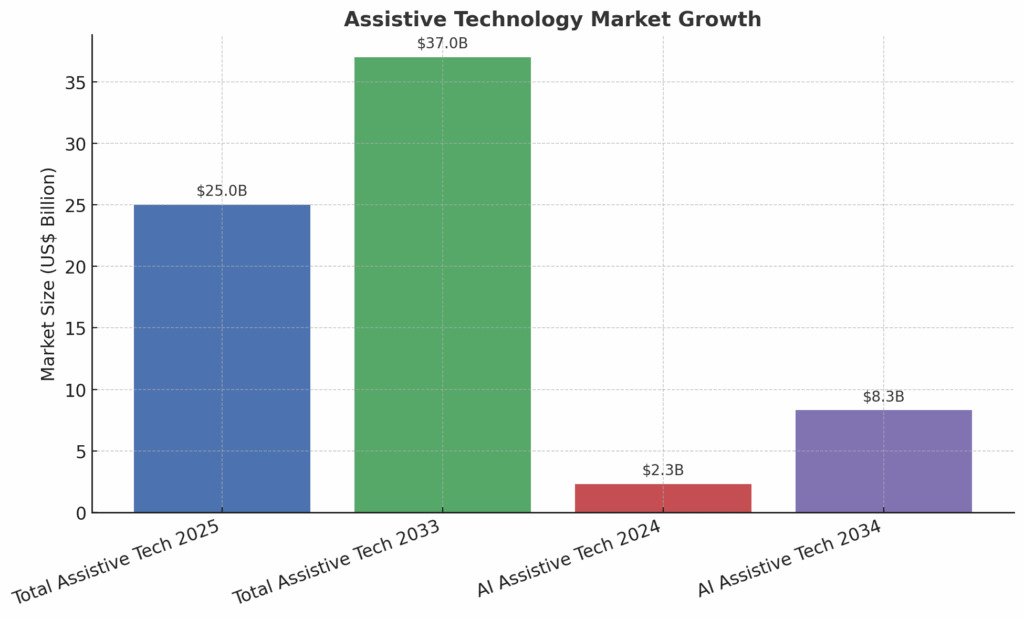
The assistive technology market is experiencing explosive growth—from approximately $25 billion today to potentially over $35–65 billion within the decade. Meanwhile, AI-powered assistive systems are expanding even faster, with some segments growing at more than double the overall market rate.
Flagship Technologies
ExoMyo mimics muscle action using soft robotics linear actuator
One of the biggest challenges with assistive technologies like exoskeletons is the bulky, heavy frame on which the servos act on to move the body, unnecessarily replicating an existing framework. Using advances in materials, neural and electromagnetic design, the ExoMyo ecosystem leverages the body’s own skeleton system to assist in motion for different levels of abilities.

Lift-Assist MultiRotor
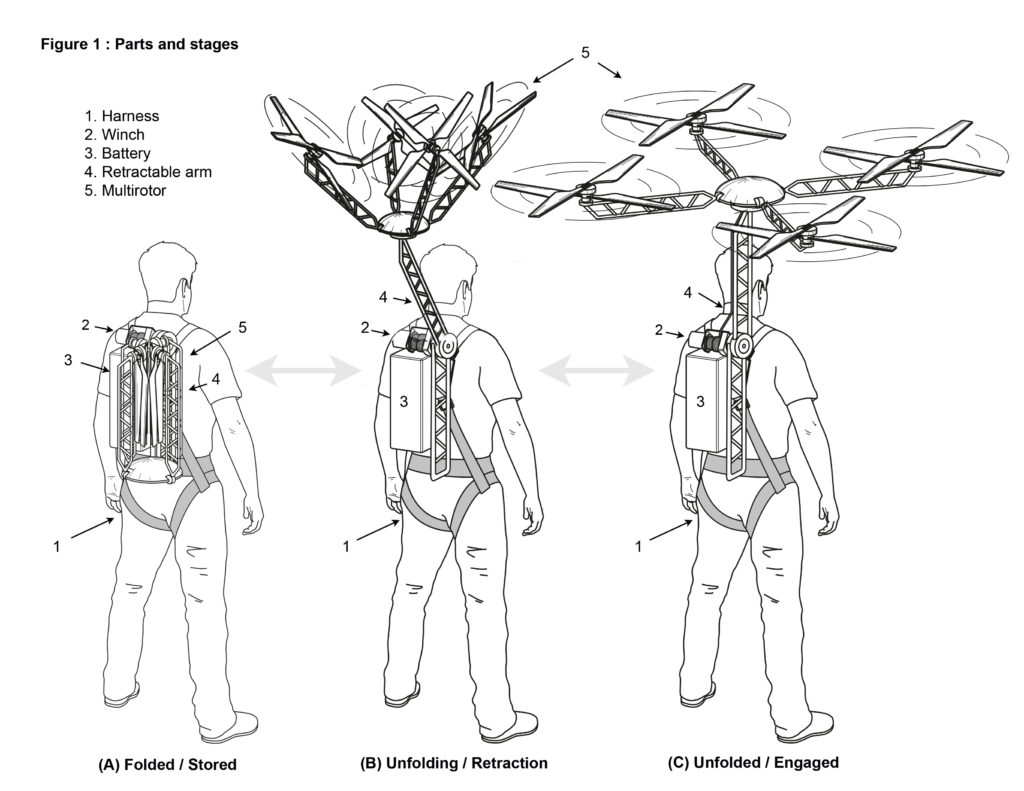
In situations needing a boost, a lift-assist wearable multirotor augments the user’s jump and softens a fall like a parachute.