Maschinenmensch

It's possible the Oceans need us too

A healthy ocean means sustainable use. And sustainable use requires a knowledge of what’s there to protect and conserve.

Supporting the Blue Economy

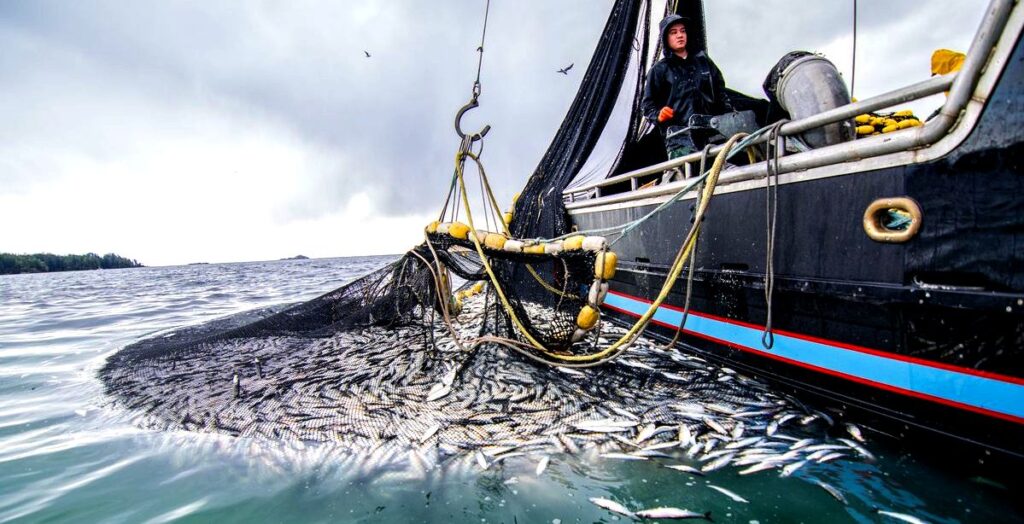
Locating and identifying fish stocks isn’t just smart — it’s essential to prevent overfishing. Current methods are slow, outdated, and sometimes destructive. What if we could build a faster, more sustainable way to assess fish populations — using autonomy and robotics to close the knowledge gap and protect the ocean economy?

Filling the Ocean Data Gap

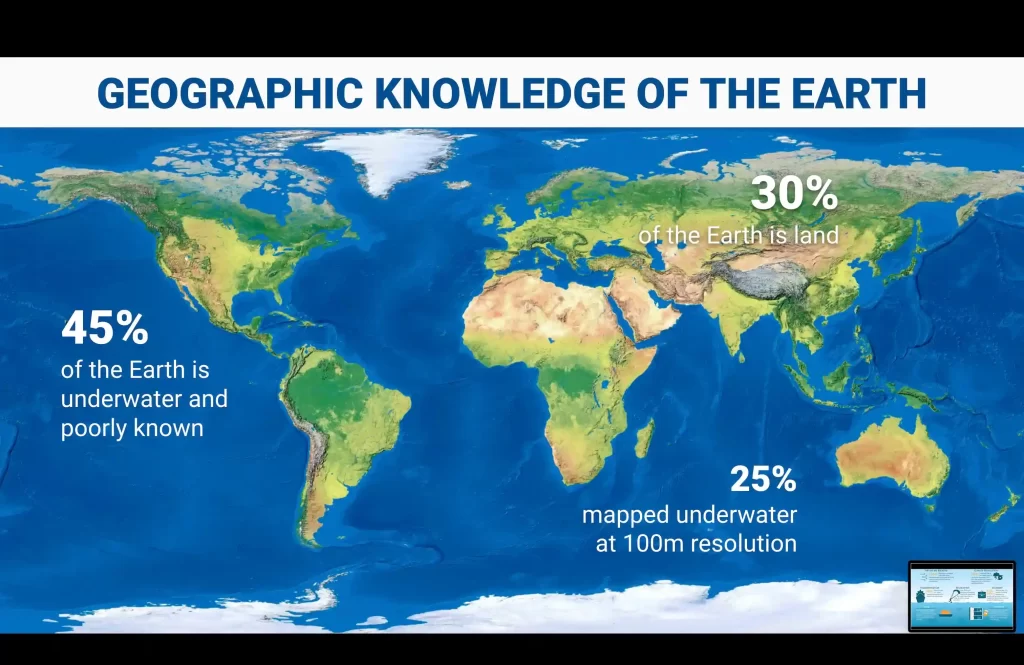
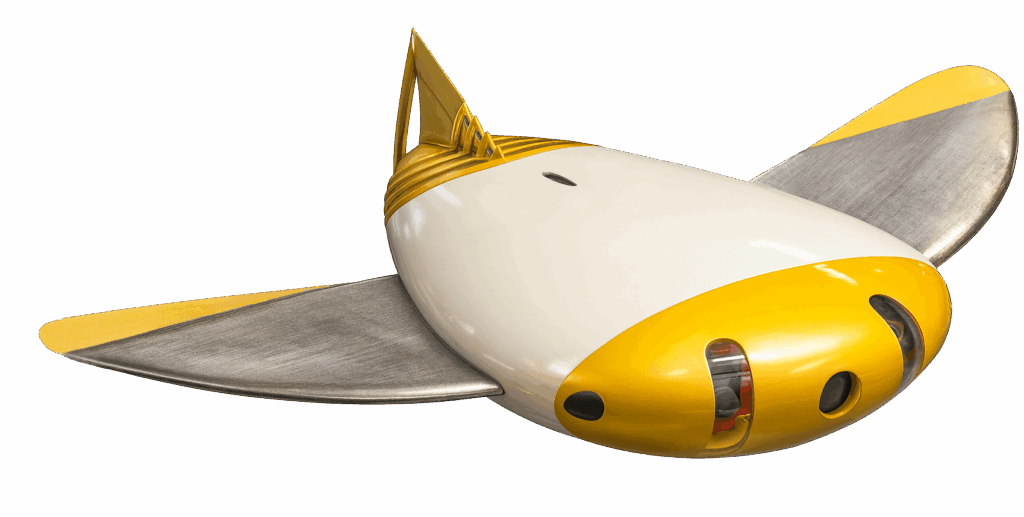
Seventy-one percent of Earth is ocean, yet a reported 26.1%* is high-resolution mapped. Our variable buoyancy-powered AUV effortlessly glides through the water saving energy for critical sensor systems and longer dives. Biomemetic sensor suite collects and transmits real time oceanographic data vital to policy making, climate model predictions and fish stock assessments.

Introducing our new venture:
AquaFrontier Technologies

AquaFrontier Technologies pioneers next-generation underwater systems whose breakthrough design enables faster, scalable, and radically more efficient marine exploration, inspection, and data capture—pushing the boundaries of what’s possible below the surface.

Offshore Construction

Our technology enables pre- and post-construction surveys and monitors assets like scour, cables, and foundations — with low-impact operations that cut vessel days and reduce diver risk.

Conservation

Our technology supports non-destructive reef and biome monitoring, using stereo photogrammetry and computer vision to track growth, bleaching, and damage — with time-series data that establish baselines for restoration

Fisheries

Locating, identifying and characterizing fish with an autonomous systems gives Fisheries’ stock assessments a needed edge on facing the challenges of oceanic data collection.

Eco-Tourism

What if SCUBA divers had a follow-me underwater drone? A personal dive companion that films the experience, captures imagery of biodiversity and serves as a “buddy.” and helps with local habitat conservaiton through a shared data agreement.